
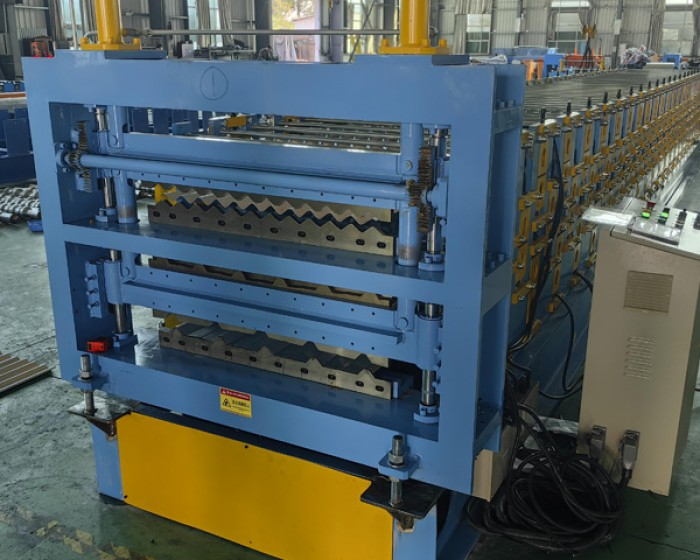
Modern equipment has become a key driver of growth across manufacturing, construction, and industrial sectors. As businesses face increasing demand for high-quality products and faster production, advanced machinery helps improve efficiency, accuracy, and operational reliability. Automated production systems, precision engineering, and intelligent controls enable manufacturers to optimize workflows while reducing operating costs and material waste. By investing in a stud and track roll forming machine and a double layer roll forming machine, businesses can strengthen production capabilities and support sustainable industrial growth.
Why Modern Equipment Is Essential
Growing industries require manufacturing equipment that can operate continuously while maintaining consistent product quality. Modern machinery integrates advanced technologies that improve productivity, reduce manual intervention, and increase manufacturing flexibility.
These improvements allow businesses to expand production capacity while maintaining competitive performance.
How Modern Equipment Supports Industrial Growth
Higher Production Efficiency
Automated production systems increase manufacturing speed and enable factories to produce larger quantities of steel products while maintaining stable operations.
Improved Manufacturing Accuracy
Precision-engineered equipment produces components with consistent dimensions and high-quality finishes, reducing production errors and improving overall product reliability.
Reduced Material Waste
Advanced feeding and cutting technologies maximize raw material utilization, minimizing production scrap and lowering manufacturing costs.
Greater Manufacturing Flexibility
Modern machinery allows manufacturers to produce multiple steel profiles with quick adjustments, making it easier to meet changing customer requirements and market demands.
Lower Operating Costs
Automation reduces labor requirements, improves machine utilization, and minimizes production downtime, contributing to greater long-term profitability.
Applications of Modern Manufacturing Equipment
Modern equipment is widely used to manufacture steel framing systems, roofing panels, wall panels, structural profiles, ceiling components, warehouse structures, industrial building materials, modular construction products, commercial building systems, and infrastructure materials. Its versatility supports a wide variety of manufacturing industries.
Benefits of Modern Equipment
- Higher production efficiency
- Improved manufacturing accuracy
- Consistent product quality
- Reduced material waste
- Lower operating costs
- Greater production flexibility
- Reliable long-term performance
Choosing Advanced Manufacturing Equipment
Manufacturers should evaluate automation capabilities, production capacity, machine durability, maintenance requirements, technical support, and future scalability before purchasing new equipment. Reliable machinery improves factory performance while supporting long-term business expansion.
Modern production systems also provide flexibility for future upgrades, allowing manufacturers to adapt to evolving industry requirements.
Conclusion
Modern equipment plays an essential role in supporting growing industries by improving production efficiency, enhancing manufacturing accuracy, reducing waste, and increasing operational flexibility. Businesses that invest in advanced manufacturing technology are better positioned to achieve sustainable growth and maintain a competitive advantage.
By investing in a stud and track roll forming machine and a double layer roll forming machine, manufacturers can improve production capabilities, strengthen operational efficiency, and build a future-ready manufacturing operation that supports long-term success.